2026 | part of The Rashomon Cycle
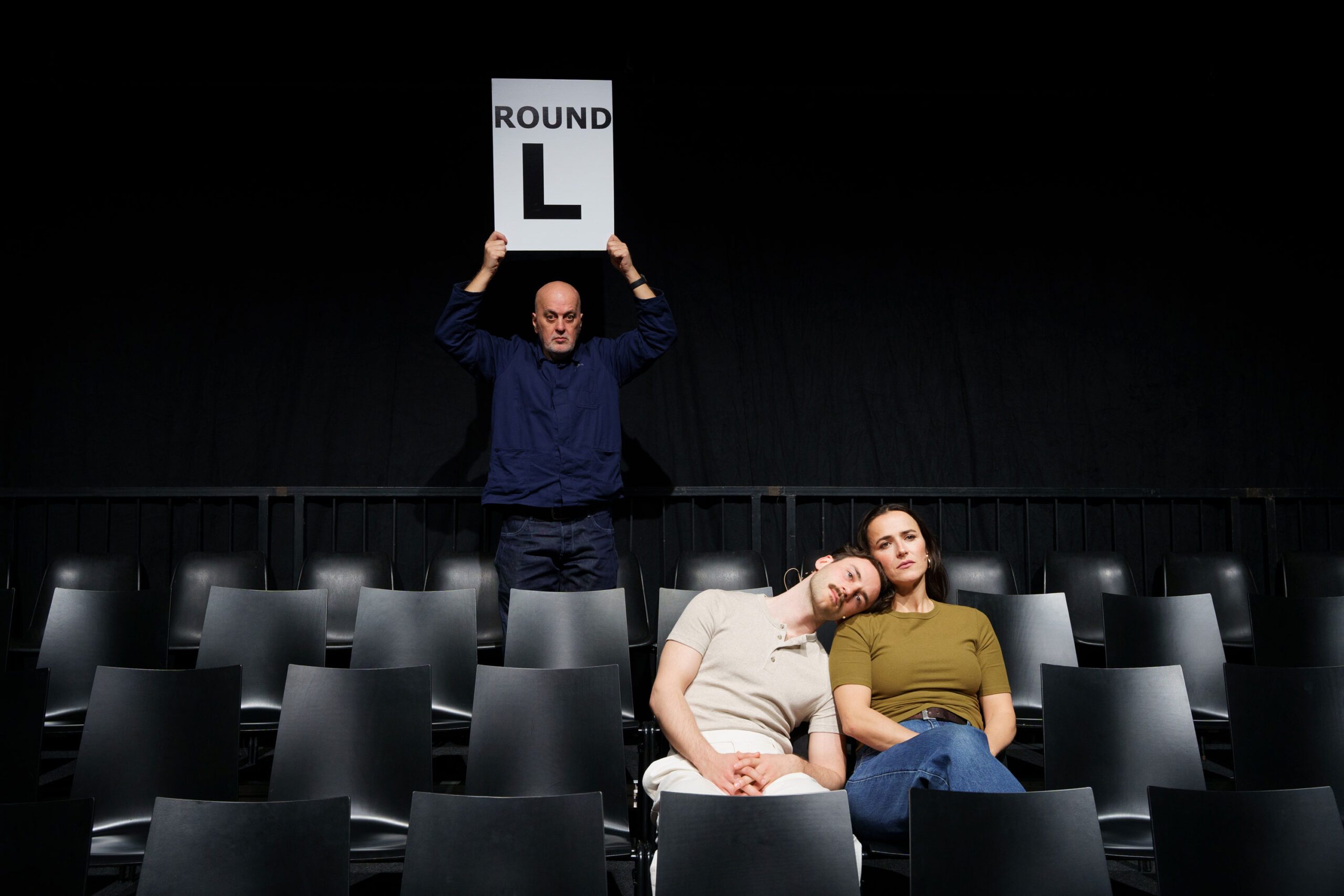
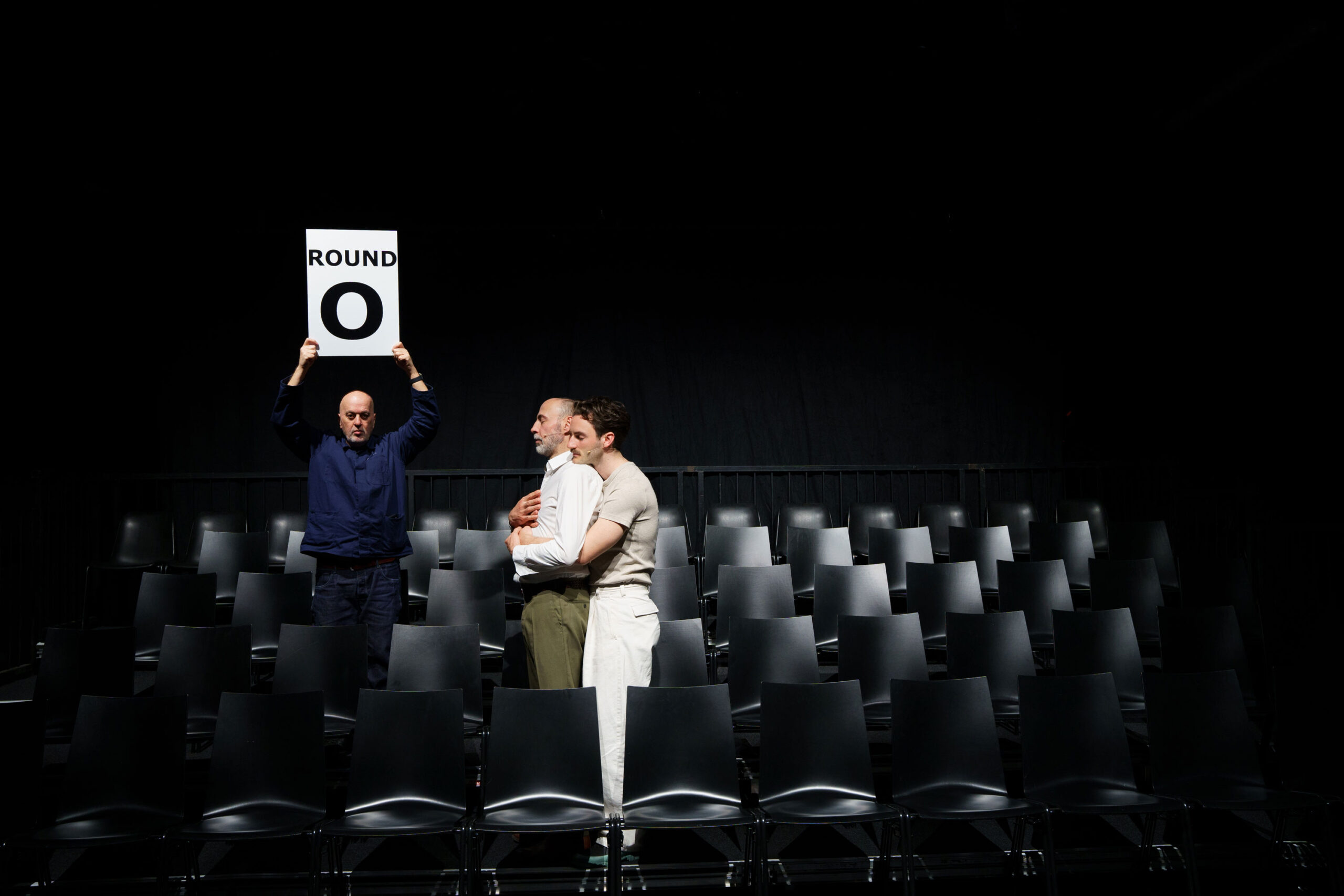
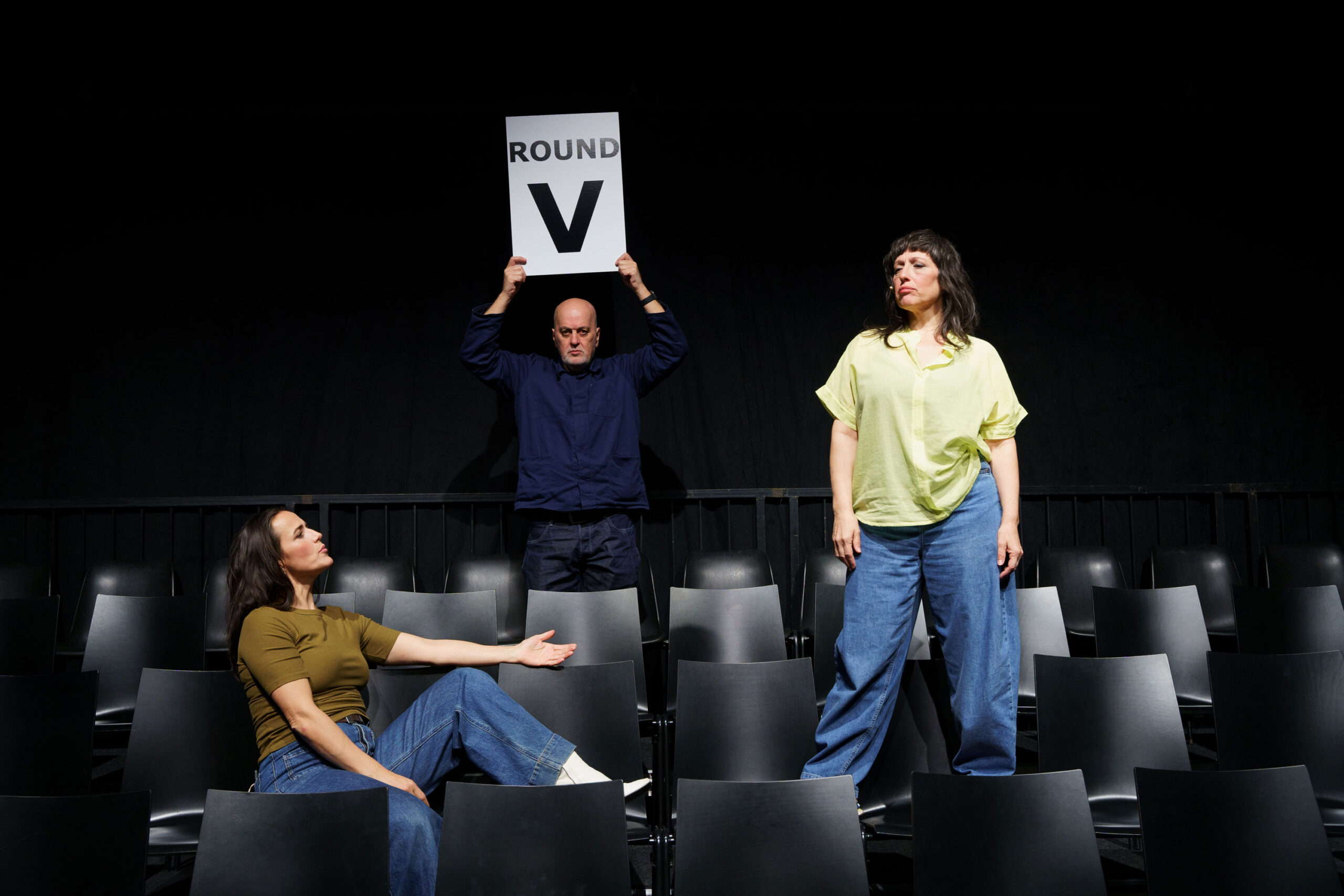
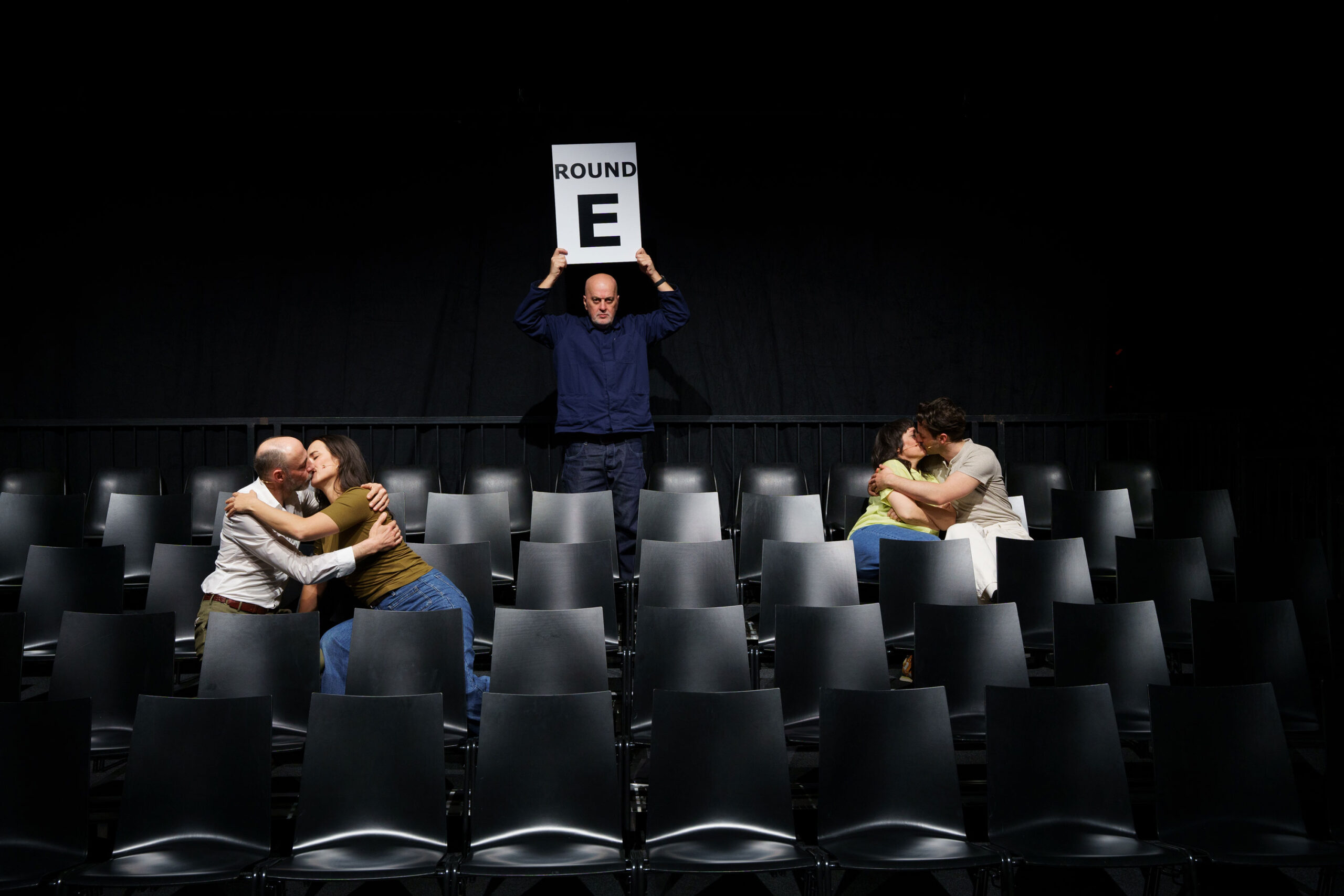
2026 | part of The Rashomon Cycle
A case study
Limited Operations of Verbal Emotions /A Case Study
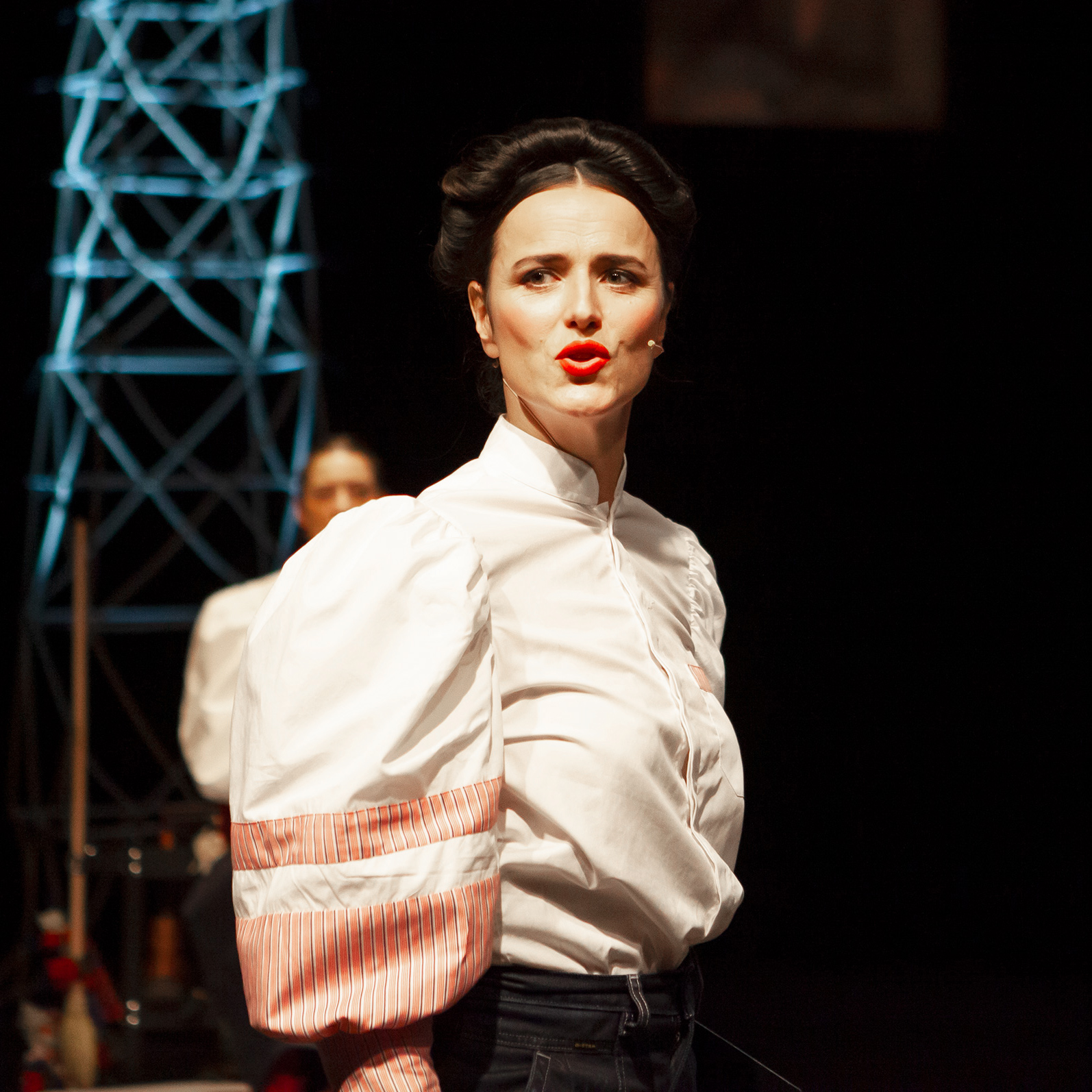
A performance on the architecture of intimacy.
In L.O.V.E., constrained language becomes both the medium and the cage of desire.
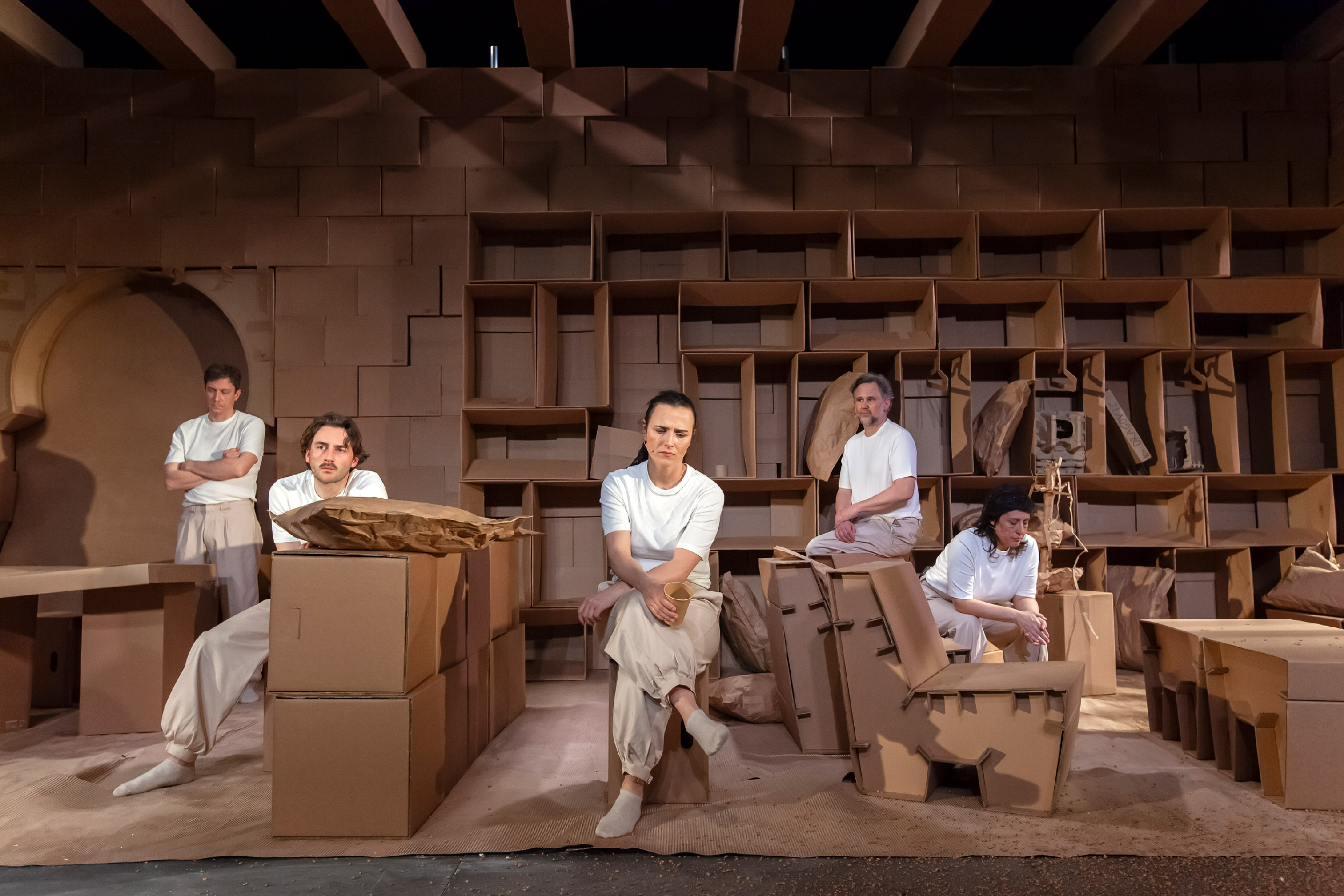
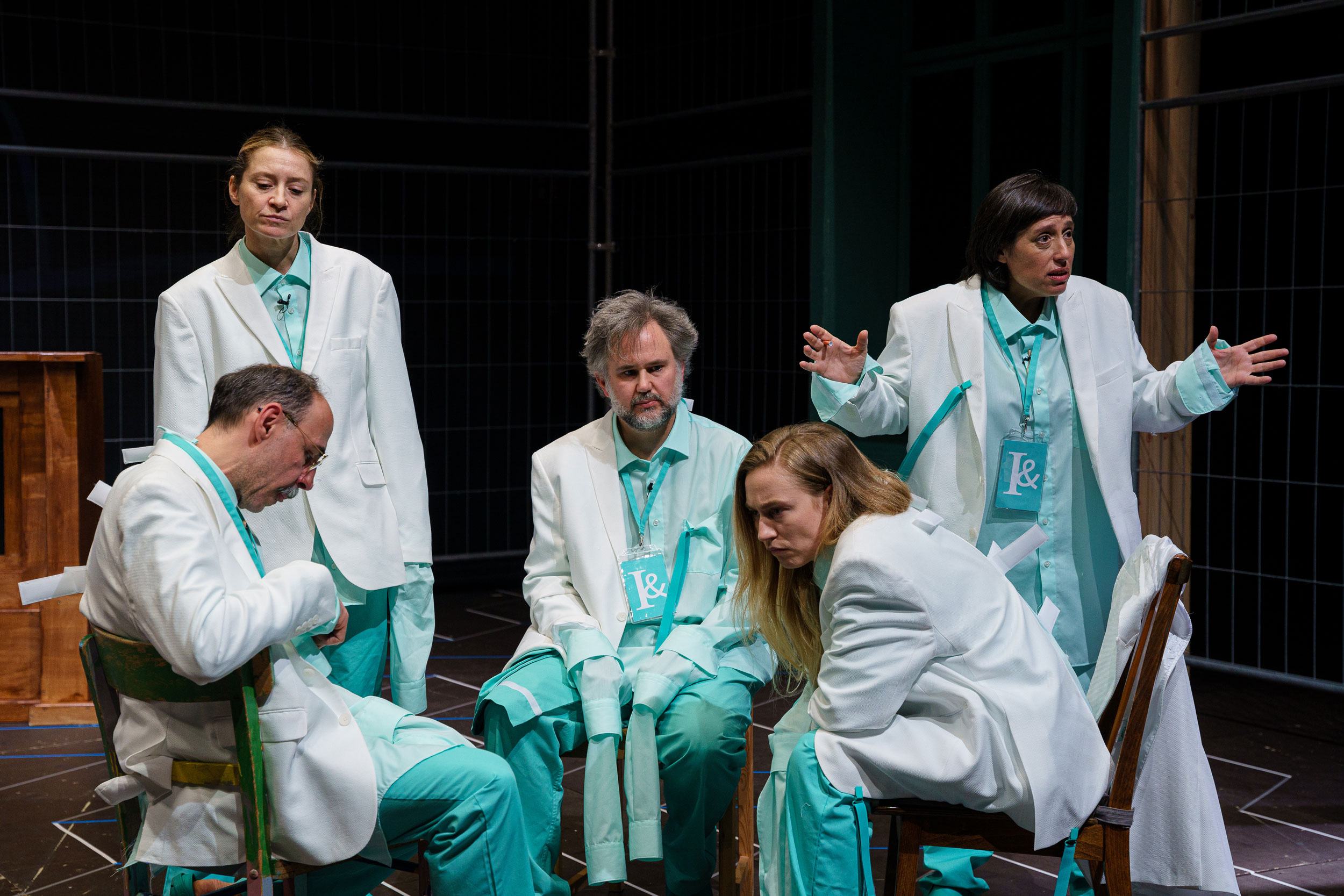
Four performers attempt to construct several love stories under arbitrary formal restrictions: every line begins with the same letter. From this constraint emerges a fragile and volatile system, part game, part confession, part emotional collapse.
The piece draws inspiration from the Oulipo movement (Ouvroir de littérature potentielle), which explored the creative potential of constraint in writing. Here, those principles are reimagined for the stage, where grammar and feeling intersect, collide, and undo each other.
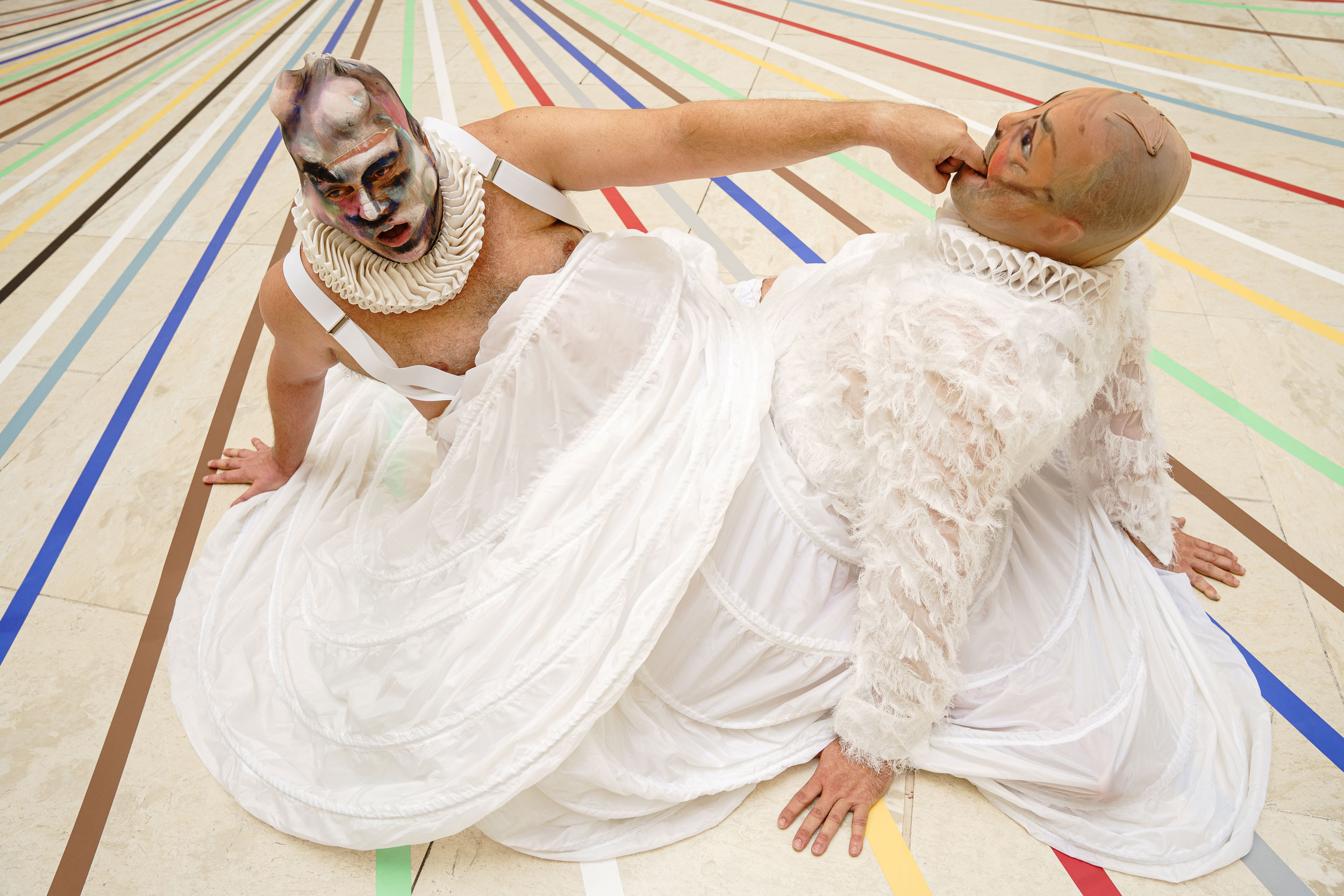
Through repetition, rupture, and the exhaustion of form, the performers reveal how language disciplines emotion, how love, like text, depends on editing, hesitation, and deletion. What begins as a poetic exercise gradually unfolds into an anatomy of communication: two bodies trapped in syntax, struggling to speak freely inside a system that promises meaning but delivers only echo.
L.O.V.E. is not a narrative but a process: a theatre of linguistic resistance, where romance becomes research and heartbreak becomes structure.
Performers: Susanne Gschwendtner, Tobias Resch, Anat Stainberg, Florian Tröbinger
Sounddesign: Michael Strohmann
Assistant director: Camilla Henrich
Written and directed by Yosi Wanunu
Produced by Kornelia Kilga
Co-produced by Theater am Werk